Islamic Art
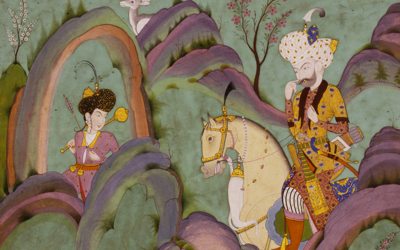
A collection that covers virtually the classical Islamic world
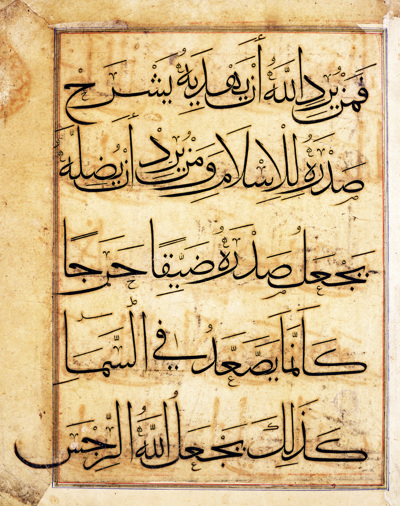
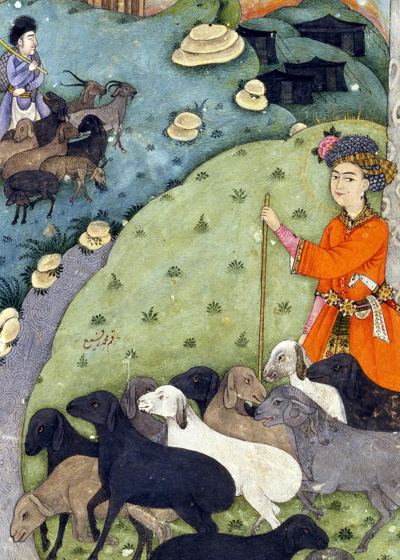
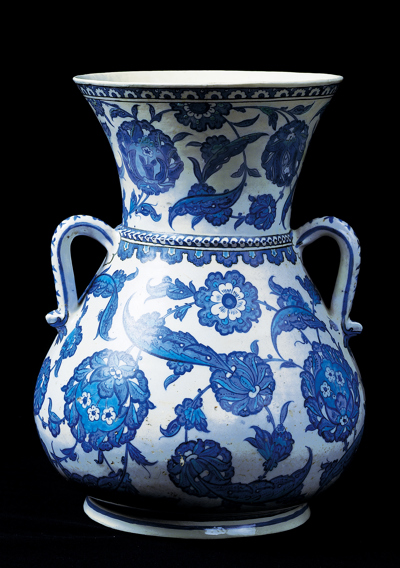
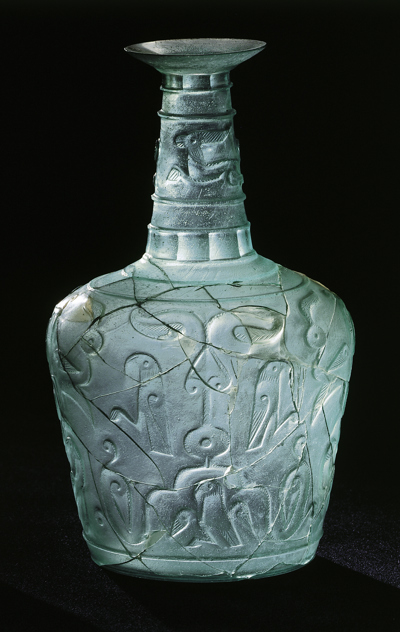
The collection of art from the Islamic world is the museum’s largest. It comprises objects created across the vast region in which Islam was the dominant religion – from Spain in the west to India in the east – and spans a period from the 7th to the 19th century. By contrast, art from sub‑Saharan Africa and Southeast Asia, where Islam also spread, is not represented.
Although many of the artists were Muslims, this was not always the case, and the works originate from both religious and secular contexts. The collection of art from the Islamic world is by far the most extensive of its kind in Scandinavia.
The art objects are presented from three different perspectives: chronologically and geographically, grouped according to material types, and presented in cultural context.
Dates
The museum’s texts generally make use of the Christian calendar. A number of objects are, however, dated precisely according to the Islamic calendar, which begins in 622 A. D. – the year of Muhammad’s emigration (hijra) from Mecca to Medina. When a hijra date is used, it is denoted with the letter “H” followed by the Christian date. When dates are provided for individuals, they refer to birth and death years, except in the case of rulers, for whom the dates of reign are given.