Niels Hansen Jacobsen (1861–1941)
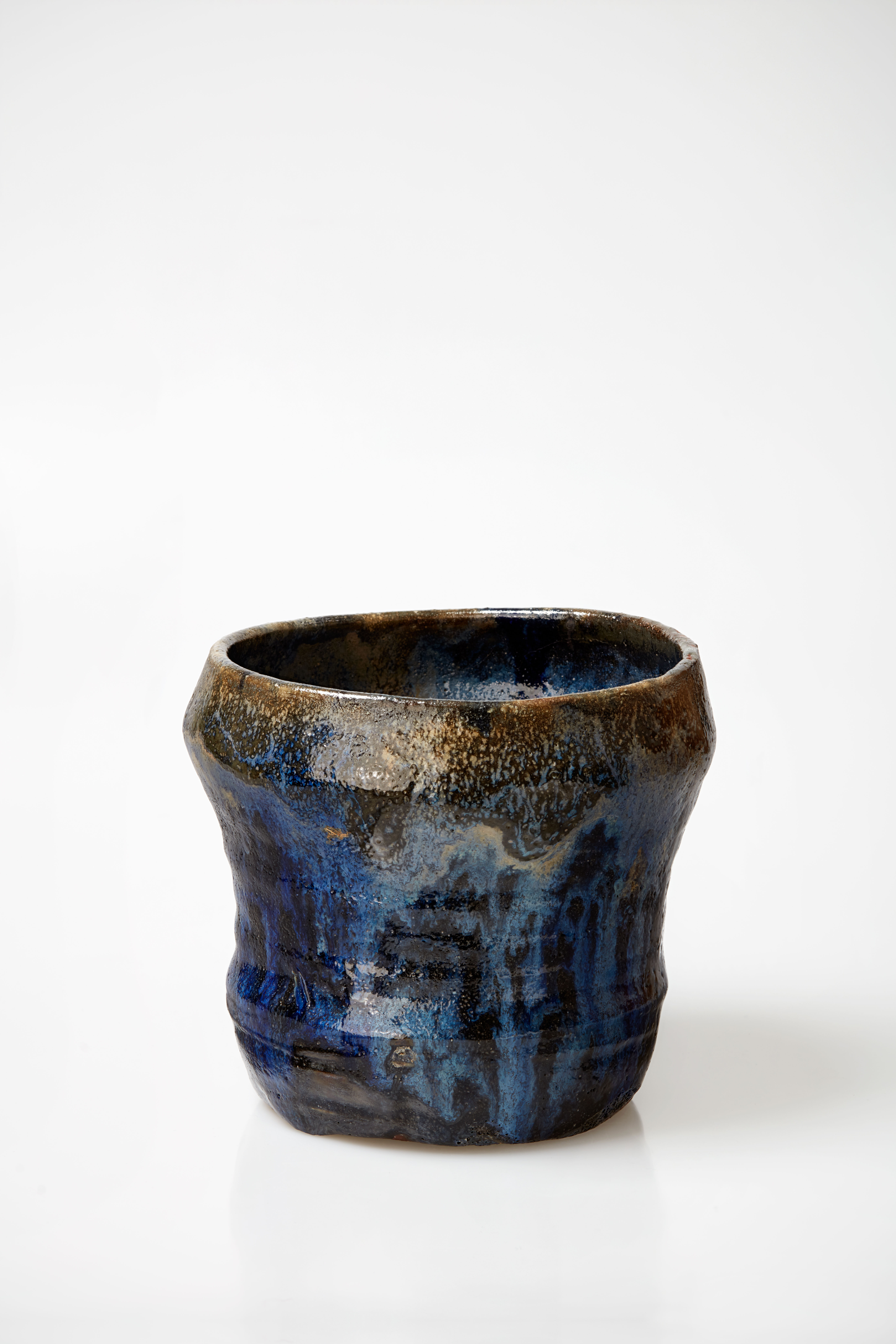
Jar, undated
Glazed stoneware
H: 13 cm
Inventory number MK 8
Niels Hansen Jacobsen completed his studies at the Royal Danish Academy of Fine Arts in Copenhagen in 1888, and after prolonged sojourns in Germany and Italy he settled in Paris in 1892. In his residence in the studio complex La Cité Fleurie at 65 Boulevard Arago in Montparnasse, where French ceramists such as Jean Carriès (1855–1894) and Paul Jeanneney (1861–1920) also lived, Niels Hansen Jacobsen began to experiment with ceramics for the first time. At this time, Paris was a centre for modern applied arts, which were assigned ever-growing prominence at large, annual exhibitions such as the Société Nationale des Beaux-Arts. Those events were a rich source of inspiration for Niels Hansen Jacobsen, who was particularly enthusiastic about Japanese stoneware, a major collector’s item at the time.
The years in Paris had a lifelong impact on Niels Hansen Jacobsen’s artistic career, which went on to unfold exclusively on Danish soil from 1902 – especially in Vejen, where he was born and eventually settled. Here he commissioned a studio with wood-burning kilns, enabling him to continue his work with ceramics.
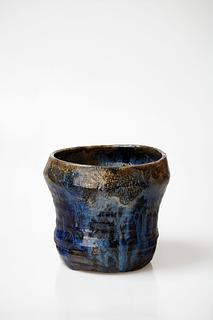
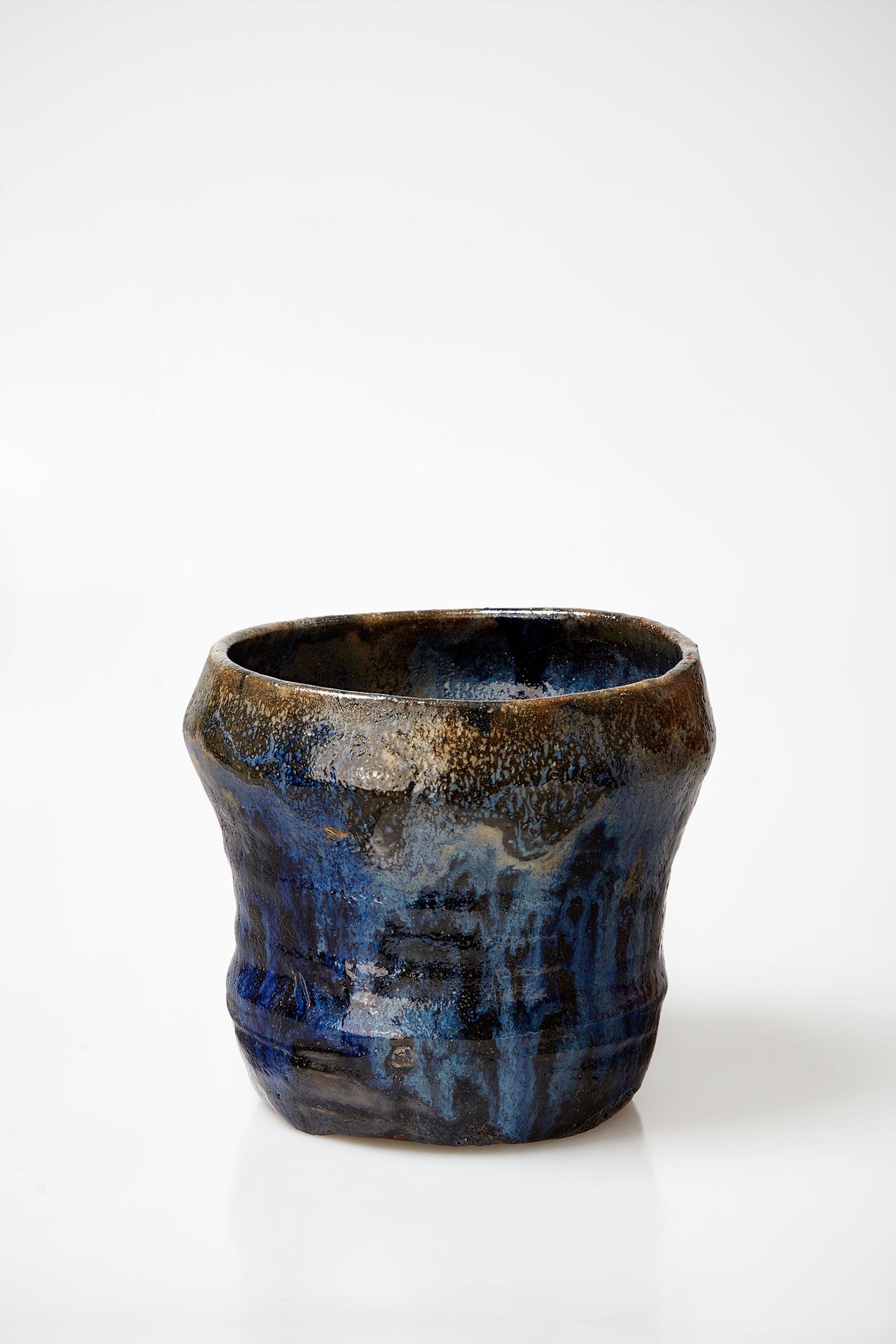
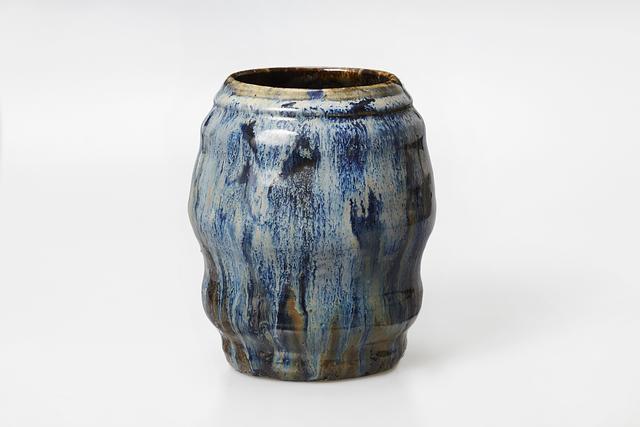
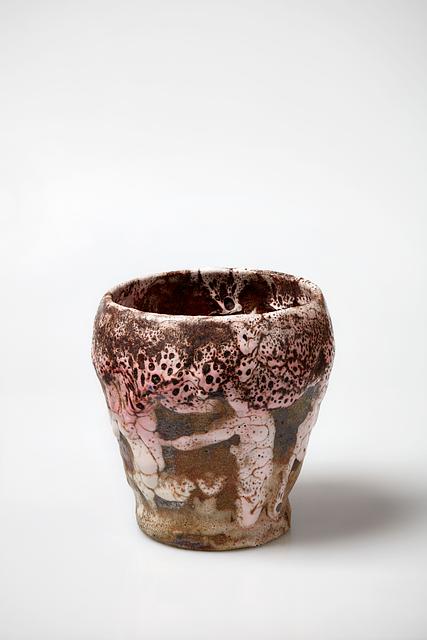
One of the distinctive traits of Niels Hansen Jacobsen’s work with ceramics is that – unlike most other Danish ceramic artists of the period – he did not collaborate with professional throwers. Instead, he taught himself all the techniques, from kneading, throwing and modelling to moulding, glazing and firing.1 In the case of this jar, he presumably took his starting point in a thrown shape that he went on to amend by compressing it a little and widening it at the mouth, thereby creating folds for the glaze to slide over. The result is crooked and disproportionate, yet entirely deliberate on the part of the artist.
The years in Paris had a lifelong impact on Niels Hansen Jacobsen’s artistic career, which went on to unfold exclusively on Danish soil from 1902 – especially in Vejen, where he was born and eventually settled. Here he commissioned a studio with wood-burning kilns, enabling him to continue his work with ceramics.
One of the distinctive traits of Niels Hansen Jacobsen’s work with ceramics is that – unlike most other Danish ceramic artists of the period – he did not collaborate with professional throwers. Instead, he taught himself all the techniques, from kneading, throwing and modelling to moulding, glazing and firing.1 In the case of this jar, he presumably took his starting point in a thrown shape that he went on to amend by compressing it a little and widening it at the mouth, thereby creating folds for the glaze to slide over. The result is crooked and disproportionate, yet entirely deliberate on the part of the artist.
Footnotes
Footnotes
1.
Teresa Nielsen (ed.): Fransk art nouveau keramik i Danmark: fra Kunstindustrimuseets og John Hunovs samlinger, København 1999, p. 11.