Theodor Philipsen (1840–1920)
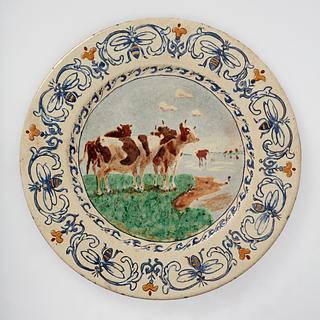
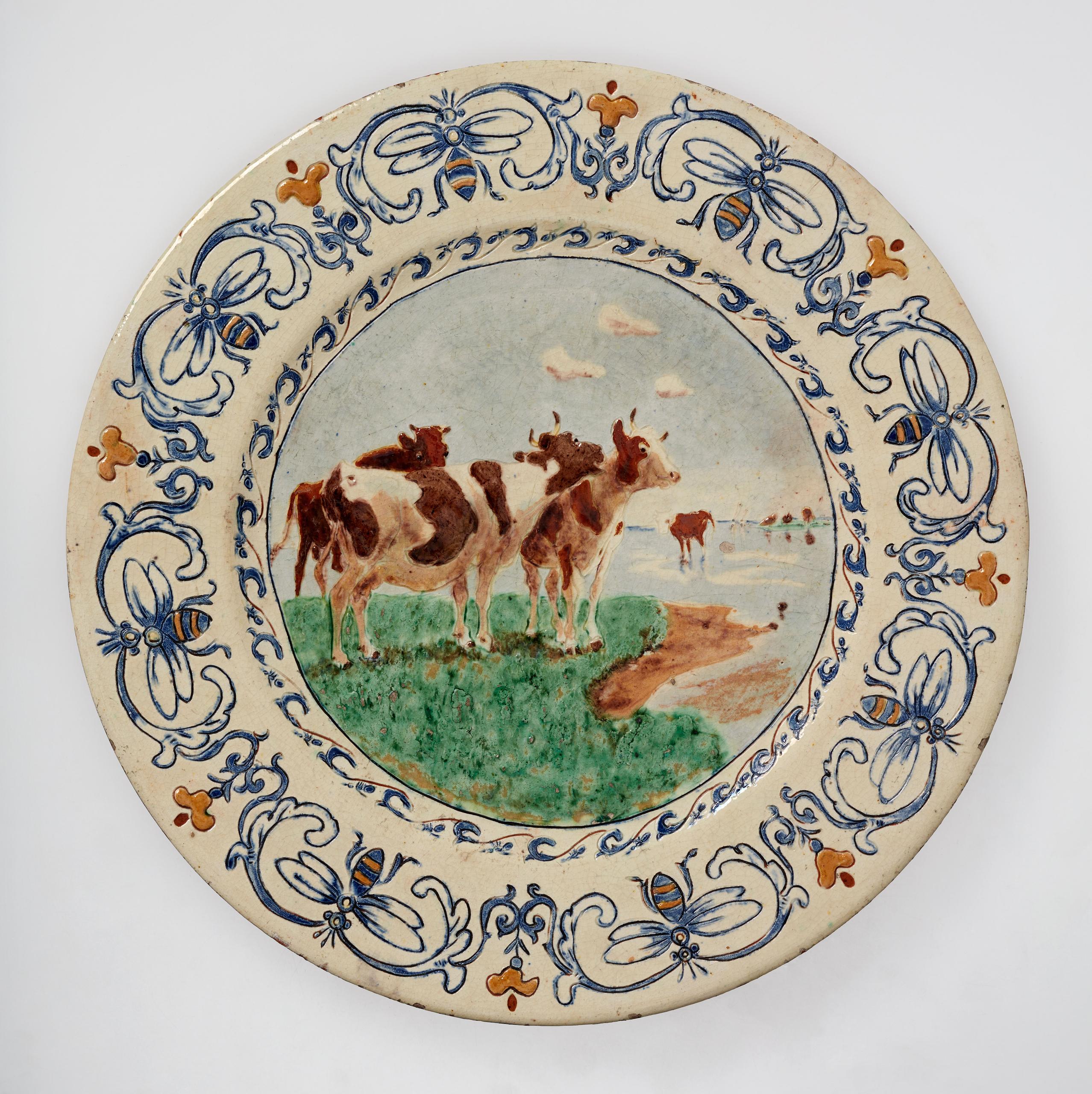
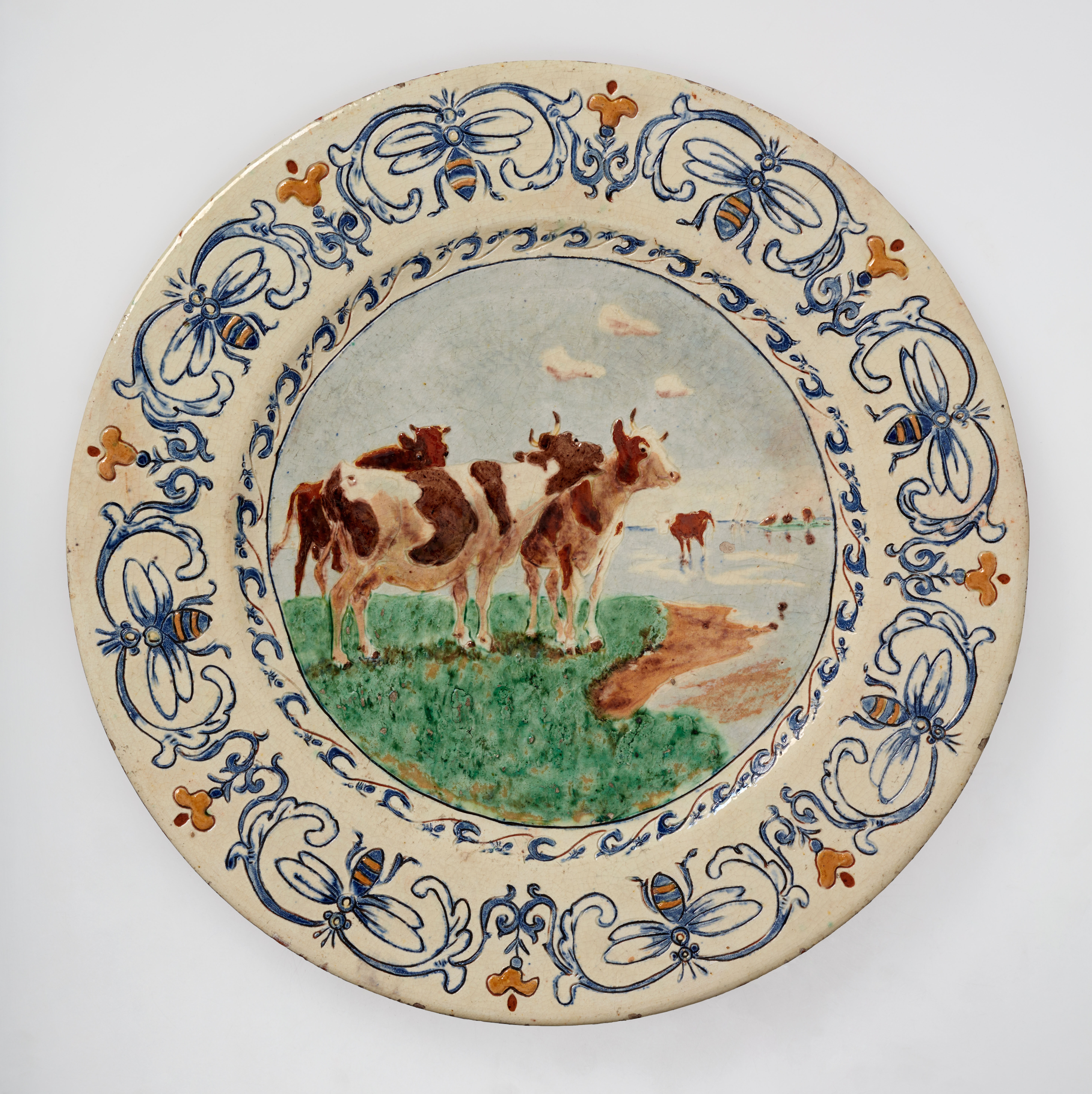
Cows at the Water’s Edge, 1892
Glazed earthenware
Diam: 29.8 cm
Inventory number B 399
When Theodor Philipsen first enrolled at the Royal Danish Academy of Fine Arts in Copenhagen in 1862, his intention was to become a sculptor. However, he soon chose to devote himself to painting instead.1 Even so, Philipsen went on to unfold his talents in sculpture, too. He began creating ceramic pieces, and overall his production is both relatively large and varied.
In the years 1888 to 1893, Philipsen created a number of ceramic dishes at Johan Wallman’s pottery in Utterslev on the outskirts of Copenhagen. These dishes share certain common traits. All were turned by professional potters, are circular in shape and are decorated with animal motifs. Another common feature of Philipsen’s dishes is that they were never intended for practical use.
This dish bears a decoration depicting grazing cows in a summery landscape taken from the island of Saltholm, an inexhaustible source of inspiration for Philipsen in terms of animal scenes. He used clear glazes, tinting them to create a watercolour-like feel against the white base. In addition, Philipsen did not incise his decoration all the way down to the clay, in contrast to B 395. He opted instead for more lightly incised contours, giving the decoration a freer and more painterly feel.2
As in B 395, Philipsen has chosen to encircle the central decoration, this time using a narrow border with a stylised pattern as well as a larger, highly ornamental pattern on the wide lip, depicting wasps among flowering vines.
In the years 1888 to 1893, Philipsen created a number of ceramic dishes at Johan Wallman’s pottery in Utterslev on the outskirts of Copenhagen. These dishes share certain common traits. All were turned by professional potters, are circular in shape and are decorated with animal motifs. Another common feature of Philipsen’s dishes is that they were never intended for practical use.
This dish bears a decoration depicting grazing cows in a summery landscape taken from the island of Saltholm, an inexhaustible source of inspiration for Philipsen in terms of animal scenes. He used clear glazes, tinting them to create a watercolour-like feel against the white base. In addition, Philipsen did not incise his decoration all the way down to the clay, in contrast to B 395. He opted instead for more lightly incised contours, giving the decoration a freer and more painterly feel.2
As in B 395, Philipsen has chosen to encircle the central decoration, this time using a narrow border with a stylised pattern as well as a larger, highly ornamental pattern on the wide lip, depicting wasps among flowering vines.
Published in
Published in
Erik Zahle: ”Malerisamlingens vækst” in C.L. Davids Samling, Tredie del, København 1958, pp. 125, 152-153;
Finn Terman Frederiksen in Kjeld von Folsach and Nana Lund (eds.): Dansk kunst i Davids Samling – fra Philipsen til Saxbo, København 1995, cat.no. 4, pp. 58-59;
Lars Dybdahl: Dansk keramik 1850-1997, Sophienholm, Lyngby 1997, cat.no. 57, pp. 19, 112;
Finn Terman Frederiksen: Theodor Philipsen. En traditionsbevidst nyskaber, Randers Kunstmuseum, Randers 2016, BFL 1693, p. 516;
Finn Terman Frederiksen in Kjeld von Folsach and Nana Lund (eds.): Dansk kunst i Davids Samling – fra Philipsen til Saxbo, København 1995, cat.no. 4, pp. 58-59;
Lars Dybdahl: Dansk keramik 1850-1997, Sophienholm, Lyngby 1997, cat.no. 57, pp. 19, 112;
Finn Terman Frederiksen: Theodor Philipsen. En traditionsbevidst nyskaber, Randers Kunstmuseum, Randers 2016, BFL 1693, p. 516;
Footnotes
Footnotes
1.
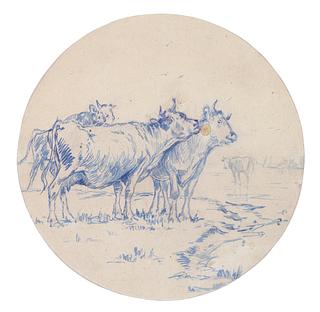
The David Collection owns a drawn design for the decoration, B 400.
2.
Exactly when this happened is unknown, but when Philipsen returned to the Academy in the spring of 1865 after a few years of military service, he was certainly resolved to this change of direction. See: Finn Terman Frederiksen: Theodor Philipsen. En traditionsbevidst nyskaber, Randers Kunstmuseum, Randers 2016, p. 62.
.jpg)
Ceramics
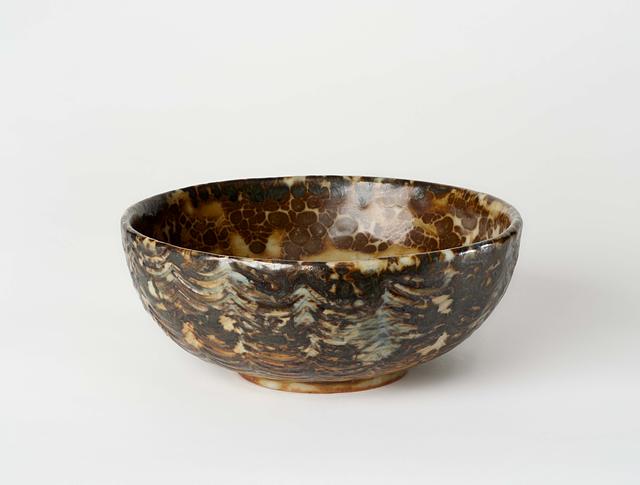
Axel Salto (1889–1961)
Bowl, 1929
Stoneware, Københavns Stentøjsbrænderi
Bowl, 1929
Stoneware, Københavns Stentøjsbrænderi
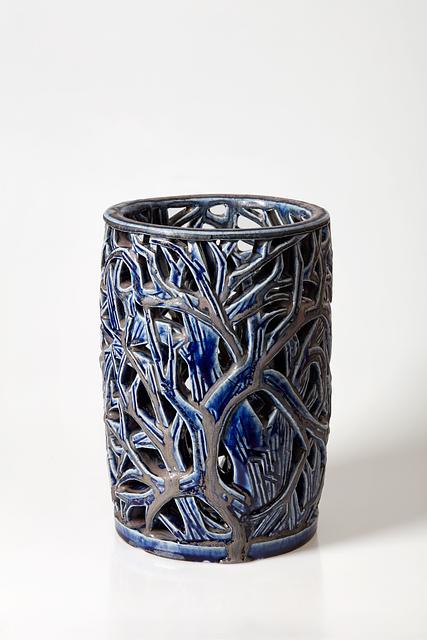
Axel Salto (1889–1961)
Vase, c. 1931–1932
Stoneware, presumably Saxbo
Vase, c. 1931–1932
Stoneware, presumably Saxbo
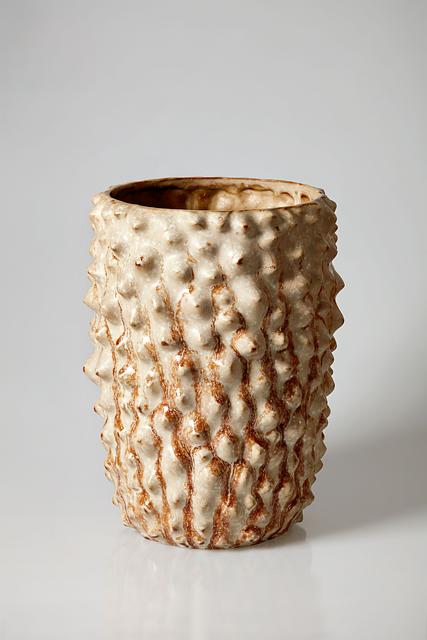
Axel Salto (1889–1961)
Vase, 1936
Stoneware, Royal Copenhagen Porcelain Manufactory
Vase, 1936
Stoneware, Royal Copenhagen Porcelain Manufactory
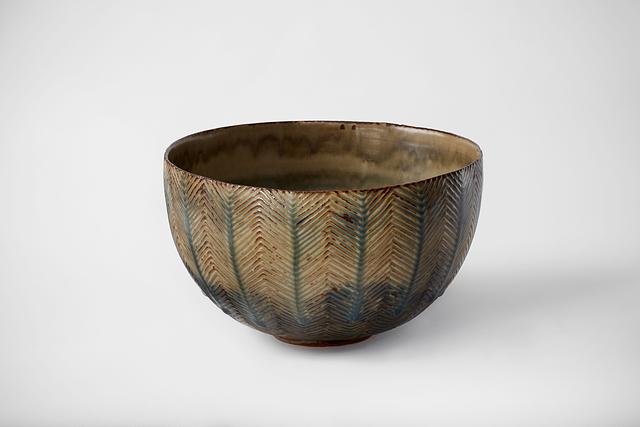.jpg)
Axel Salto (1889–1961)
Bowl, 1936
Stoneware, Royal Copenhagen Porcelain Manufactory
Bowl, 1936
Stoneware, Royal Copenhagen Porcelain Manufactory