Ceramics
All materials
A wealth of techniques
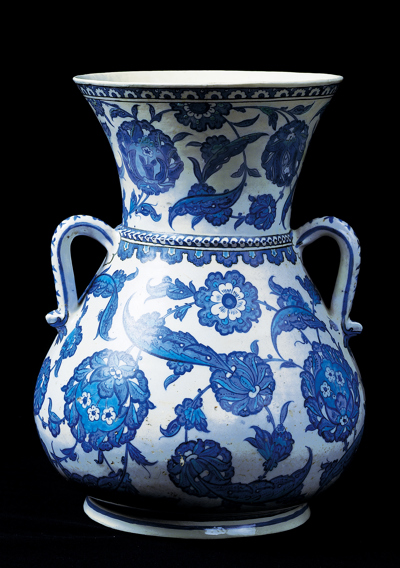
Within the field of ceramics, China was the great source of inspiration for the Middle East. Although Muslim potters never managed to make coveted porcelain, they did invent tin-glazed earthenware: faience. They further developed fritware, introduced lustreware and underglaze painting, and mastered many other decoration techniques.
In 13th-century Iran, there were so many different types of ceramics that no comparable variation was found until the 19th century, in Europe.
Although ceramics can break, it does not decompose and cannot be recycled, so this is the group of works of art from the Islamic world that is best preserved.
Explore
- Artwork
- Cultural-history themes
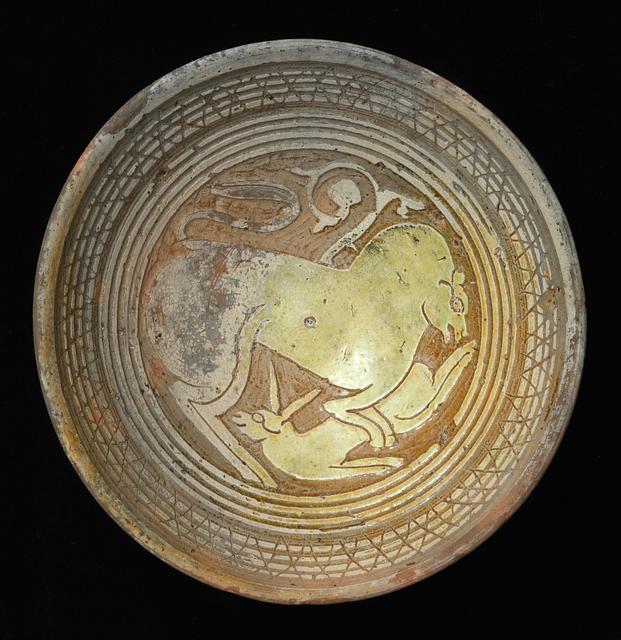
Earthenware bowl with incised and carved decoration in a white slip under a yellowish glaze
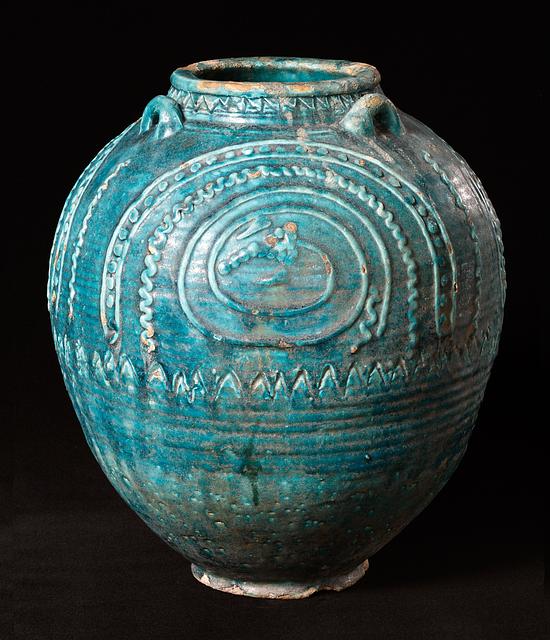
Earthenware storage jar with a turquoise glaze
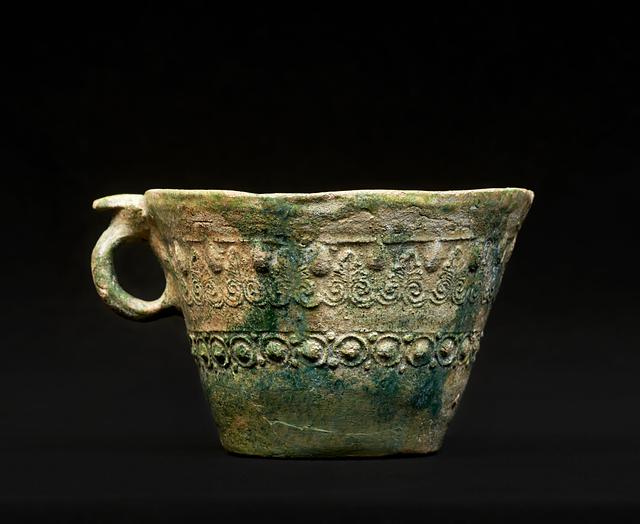
Earthenware cup with molded or stamped decoration and a yellow and green glaze
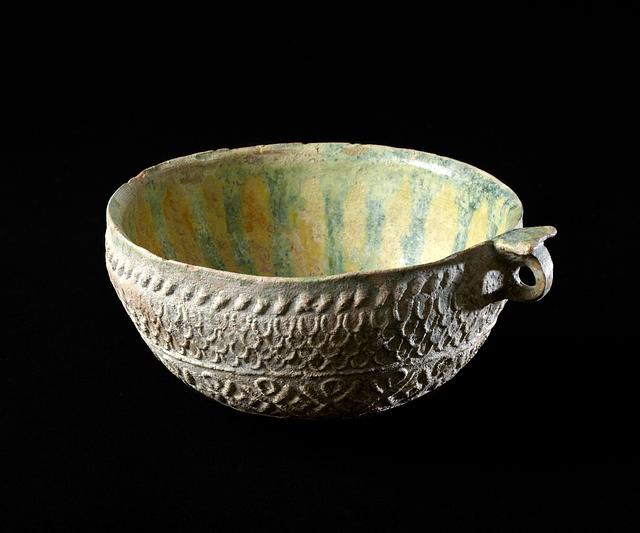
Earthenware cup with molded decoration and yellow and green glazes
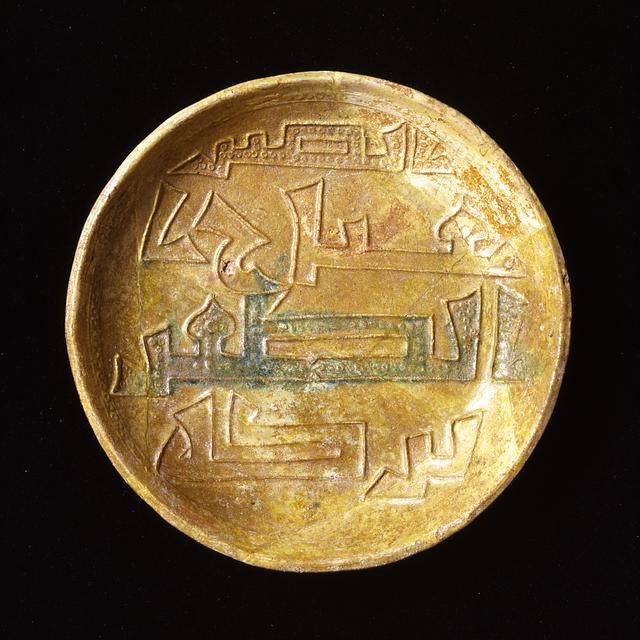
Earthenware dish with molded decoration covered by a yellow and green glaze
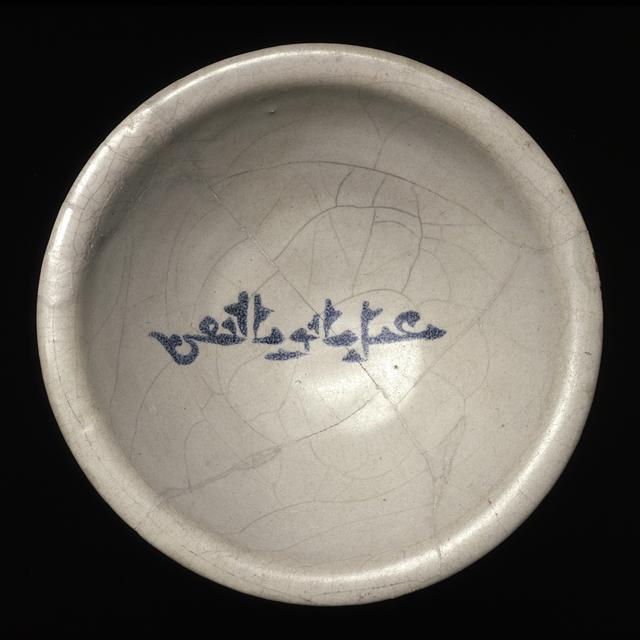
Earthenware bowl, painted in blue in an opaque, white glaze
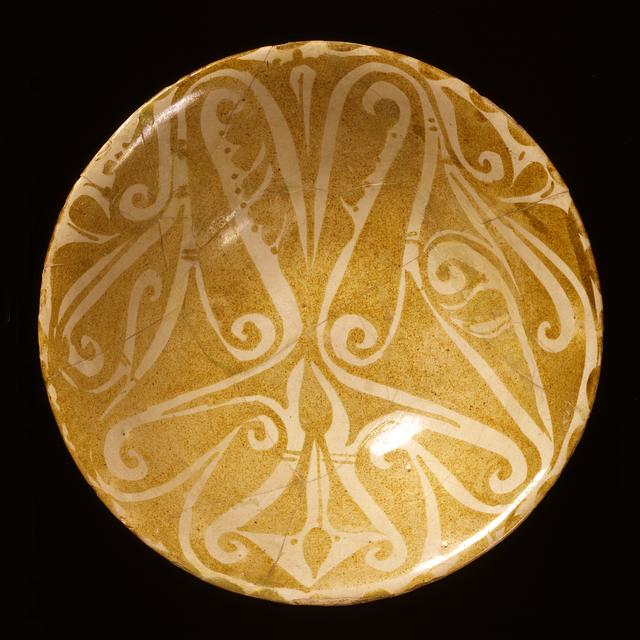
Earthenware bowl, painted in lustre over an opaque, white glaze
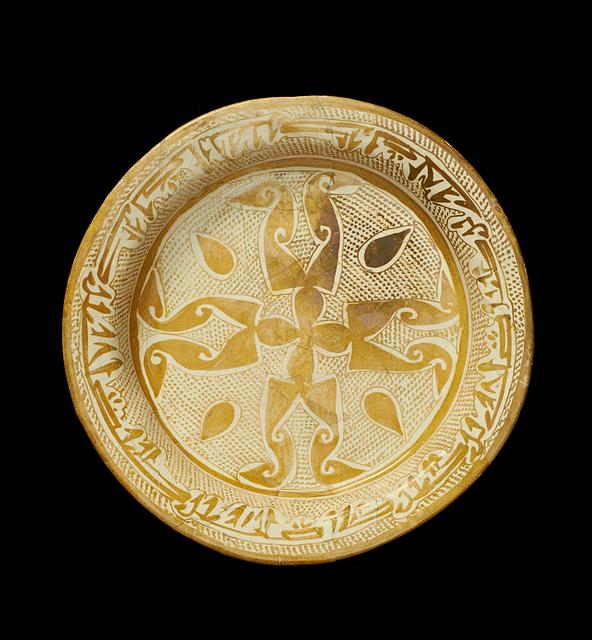
Earthenware dish, painted in lustre over an opaque, white glaze
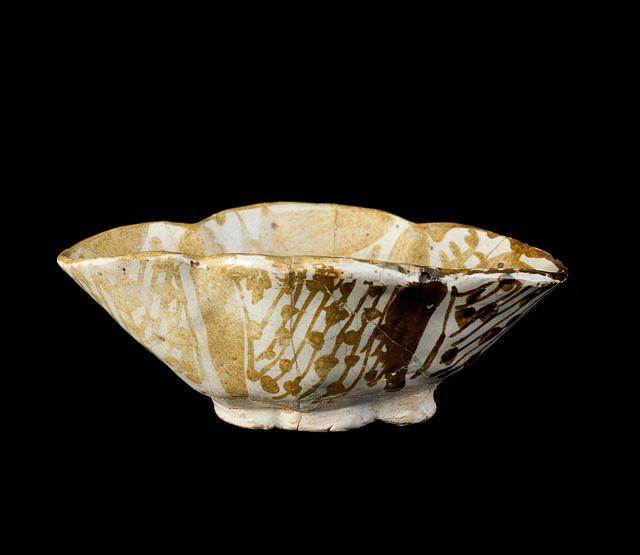
Small earthenware bowl, painted in lustre over an opaque, white glaze
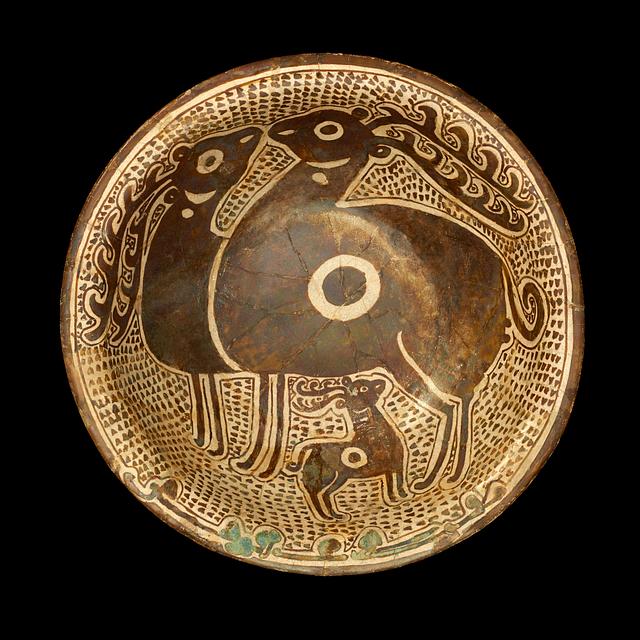
Earthenware bowl, painted in lustre over an opaque, white glaze
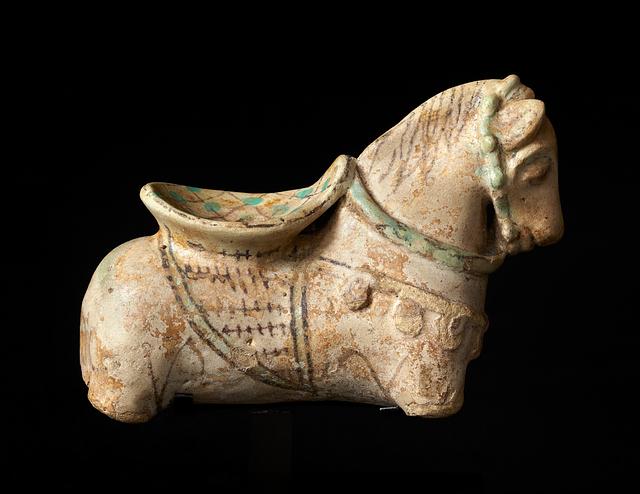
Fragmented figure of a horse, earthenware covered with a whitish slip and painted in green and manganese under a slightly toned, poorly preserved glaze
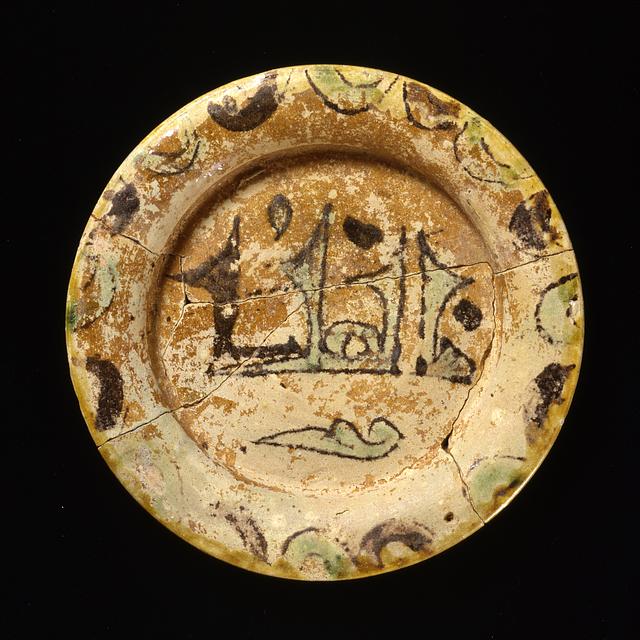
Earthenware dish, decorated with green and manganese