Danish Silver
More materials
From the opulence of Rococo to the clarity of Classicism
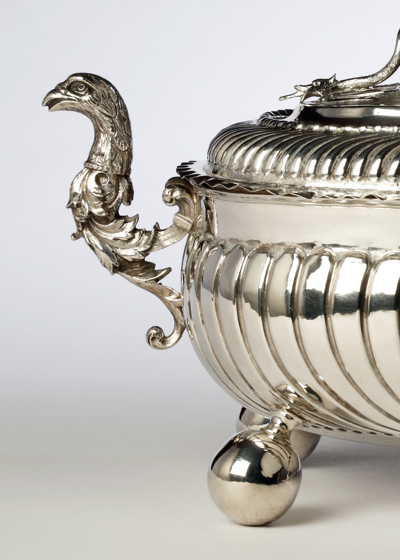
From c. 1725 to 1775, Danish silver hollowware was decorated with fluting. While the earliest pieces were vertically fluted, fluting became spiral as the Rococo gained group. Silver hollowware was further decorated with the style’s typical ornaments.
In the course of the 1770s, a new classicizing trend already began to dominate Danish silver. Motifs such as garlands, columns, and urns ornamented silverware, and its forms were characterized by great simplicity.
Danish silversmiths in the 18th century had a large range of new forms to work with. Tea, coffee, and chocolate had become fashionable, and in addition to creating pots for these beverages, silversmiths also made new types of objects, such as tea caddies, sugar bowls, and sugar tongs.
Explore the category
- Artwork
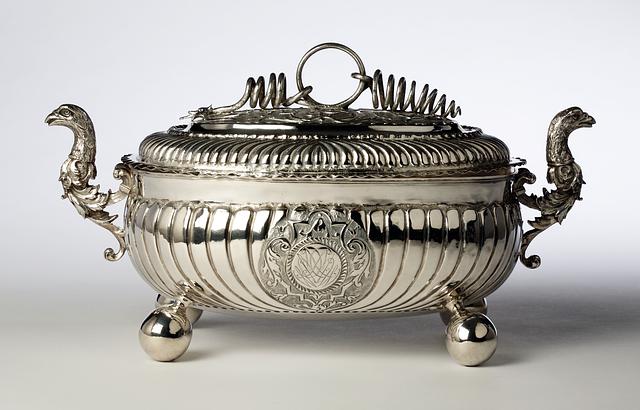
Covered bowl; silver
Daniel Schwartzkopf, Copenhagen, 1719
Daniel Schwartzkopf, Copenhagen, 1719
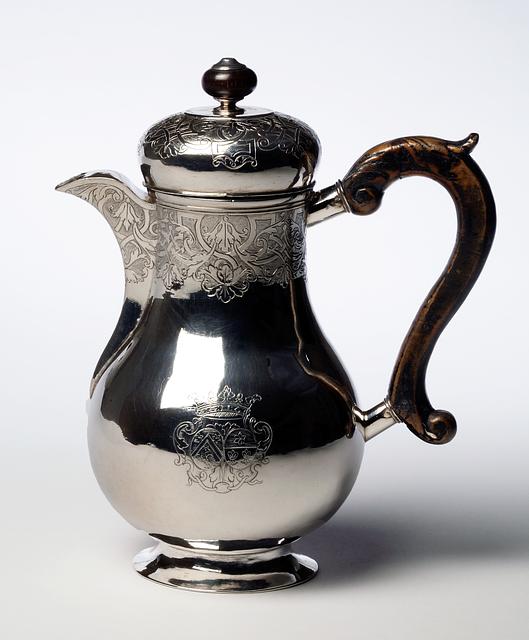
Coffee pot; silver
Jens Jensen Klitgaard, Copenhagen, 1724
Jens Jensen Klitgaard, Copenhagen, 1724
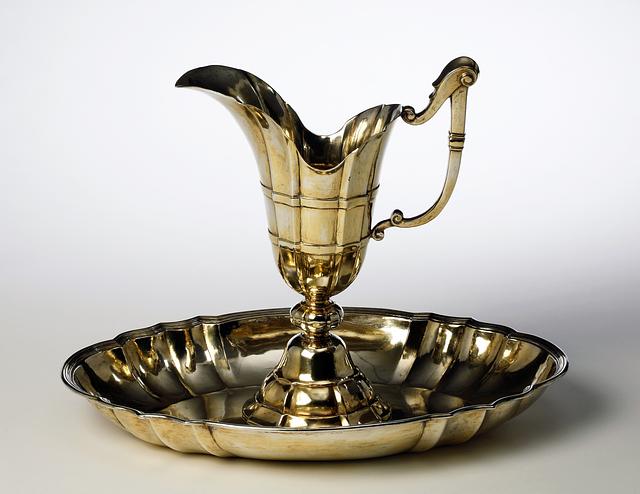
Ewer and basin; gilded silver
Nicolai Junge, 1737
Nicolai Junge, 1737
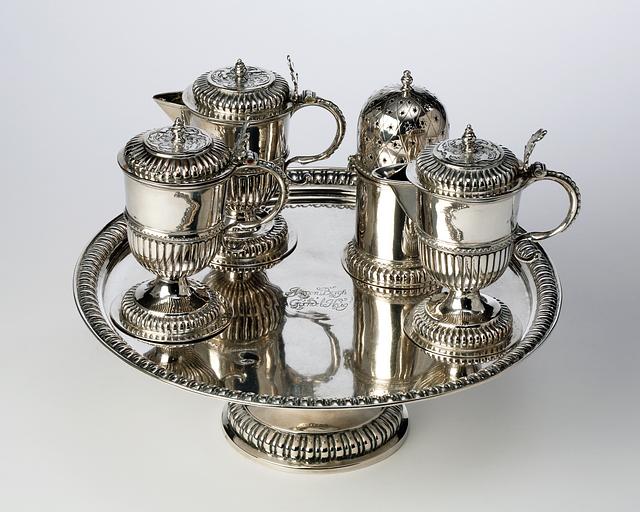
Oil and vinegar cruets, mustard pot, sugar caster, and stand; silver
Mikkel Jensen, Copenhagen, c. 1710
Mikkel Jensen, Copenhagen, c. 1710
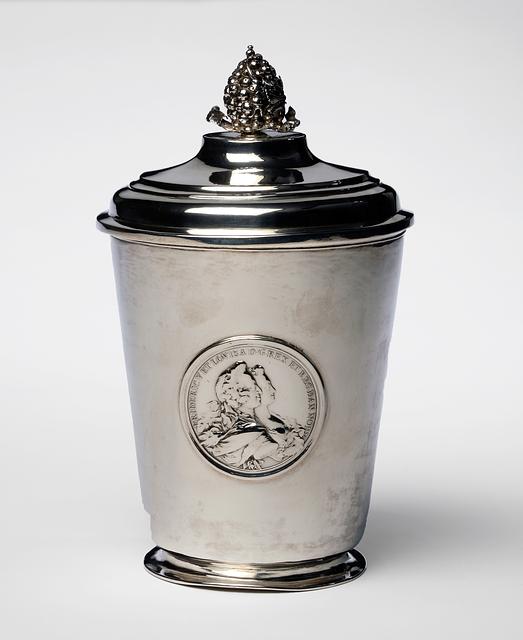
Covered beaker; silver
Tyge Madsen Werum, 1737
Tyge Madsen Werum, 1737
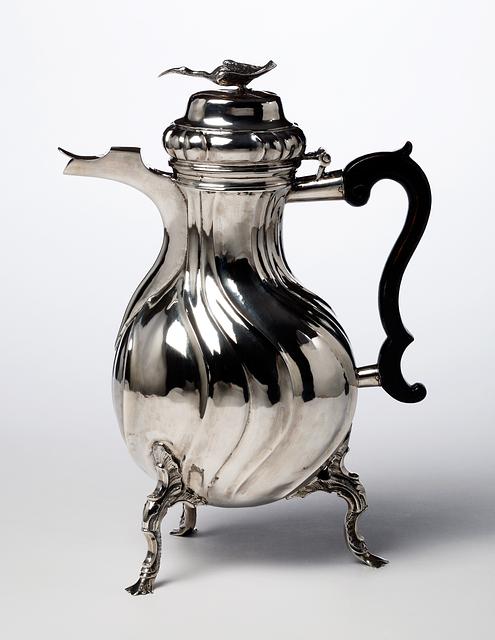
Coffee pot; silver
Sivert Thorsteinsson, 1759
Sivert Thorsteinsson, 1759
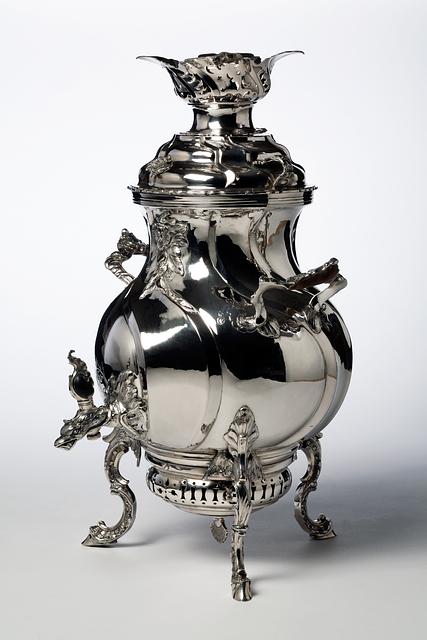
Tea urn; silver
Christopher Jonsen, 1758
Christopher Jonsen, 1758
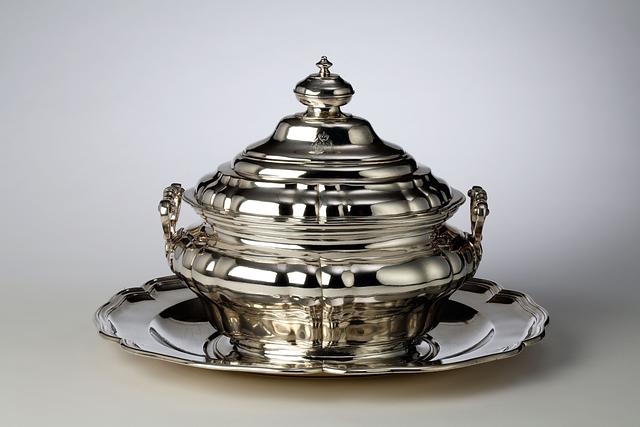
Tureen with dish; silver
Jonas Hendrich Jonassen and Christopher Jonsen, 1766
Jonas Hendrich Jonassen and Christopher Jonsen, 1766
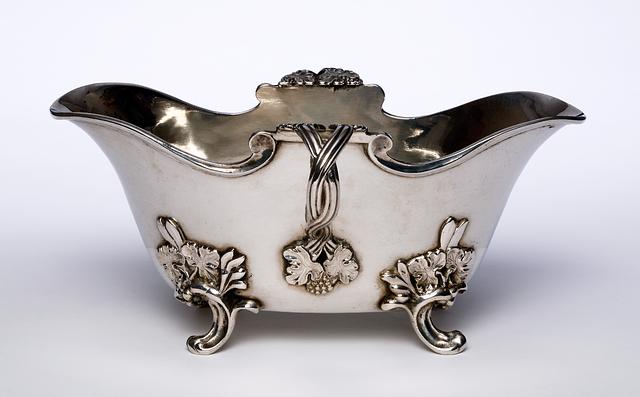
Sauceboat; silver
Sivert Thorsteinsson, 1774
Sivert Thorsteinsson, 1774
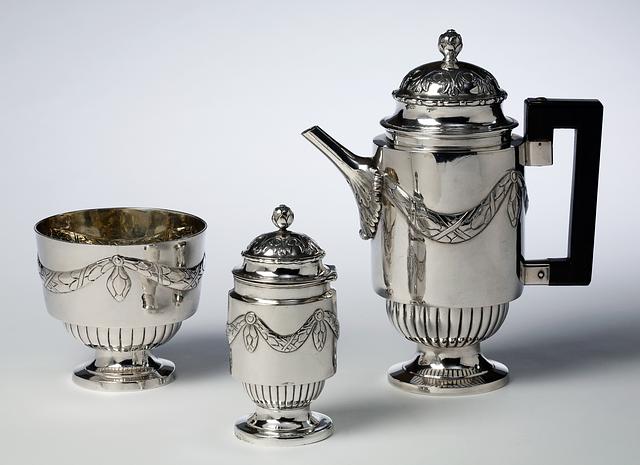
Coffee pot, sugar bowl, and tea caddy; silver
Jens Sander Schouw, 1778-1779
Jens Sander Schouw, 1778-1779
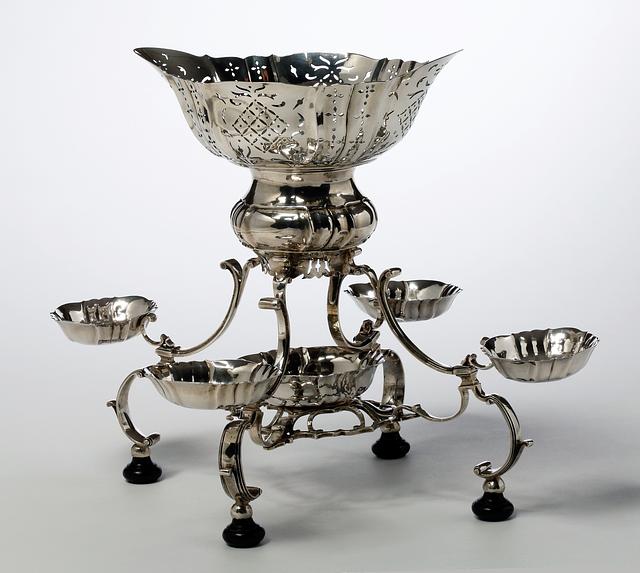
Epergne (sweetmeat stand); silver
Brandt Jonsen, 1779
Brandt Jonsen, 1779
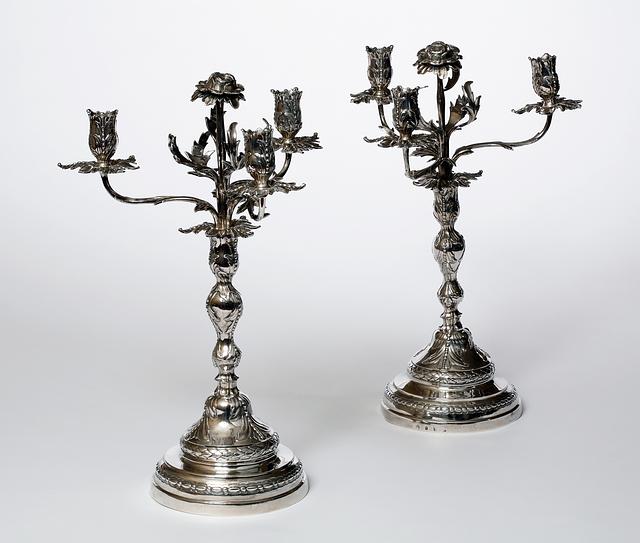
A pair of candelabra; silver
Christian Nielsen Hosøe, 1783 and 1786
Christian Nielsen Hosøe, 1783 and 1786
Explore other categories